
Oculoplasty in Malad West, Mumbai
Oculoplasty is the branch of eye care that treats the structures around the eye, including the eyelids, tear ducts and eye socket. At Sanghvi Eye Hospital in Malad West, oculoplasty addresses droopy eyelids, watering eyes, blocked tear ducts and lid growths through medical and surgical care.
Healthy vision depends not only on the eye itself but also on the structures around it. The eyelids protect the eye, the tear ducts drain tears and the eye socket holds everything in place. Oculoplasty is the eye sub-specialty that cares for all of these structures, combining function and appearance in one field. When these structures work well, we rarely think about them, yet a problem with any one of them can affect vision, comfort and confidence in daily life.
What Is Oculoplasty?
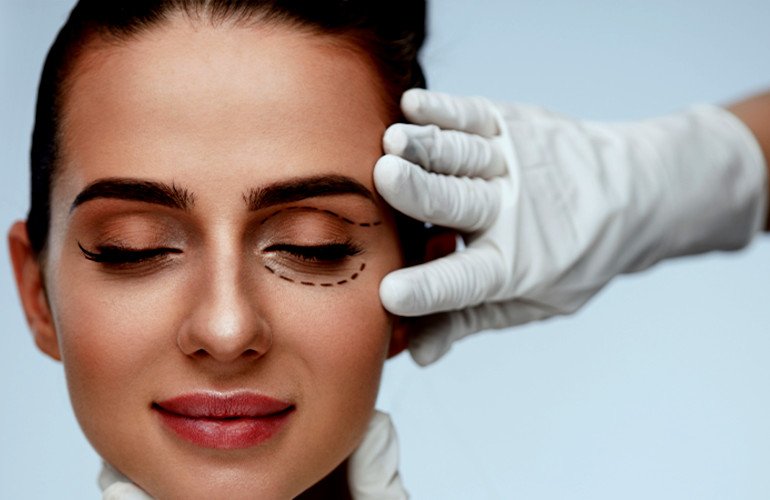
Oculoplasty is the surgical and medical care of the tissues around the eye. This includes the eyelids, the tear-drainage system, the eye socket and the surrounding bones. An oculoplasty procedure may restore function, relieve discomfort or improve appearance, and often does all three at once.
What Conditions Does Oculoplasty Treat?
Oculoplasty covers a wide range of conditions. The common ones are listed below.
- Droopy eyelids, known as ptosis, which can block vision.
- Watering eyes caused by blocked tear ducts.
- Eyelid growths, cysts and styes.
- In-turning or out-turning eyelids.
- Orbital disease affecting the eye socket.
What Causes a Droopy Eyelid?
A droopy eyelid, or ptosis, can be present from birth or develop with age as the lid muscle weakens. When the lid droops far enough, it blocks the upper field of vision and forces a person to raise the brow or tilt the head to see. Oculoplasty surgery lifts the lid to restore both vision and a natural appearance.
Why Do Eyes Water Constantly?
Constant watering is often caused by a blocked tear duct, which prevents tears from draining normally. This leads to overflow, irritation and sometimes infection. A procedure called dacryocystorhinostomy creates a new drainage path and resolves the problem.
What Is Ptosis and How Is It Treated?
Ptosis is the medical name for a drooping upper eyelid. It can affect one or both eyes and ranges from mild to severe. When the lid droops far enough, it covers part of the pupil and blocks the upper field of vision. Children can be born with ptosis, while in adults it usually develops as the lifting muscle weakens with age.
Treatment is surgical and aims to lift the eyelid to a natural position. The surgeon tightens or repositions the muscle that raises the lid, which restores both the field of vision and a balanced appearance. The procedure is planned carefully so that both eyes look symmetrical afterwards.
What Causes a Blocked Tear Duct?
A blocked tear duct prevents tears from draining from the eye into the nose, so they overflow onto the cheek. Blockage can result from age-related narrowing, infection or, in infants, an underdeveloped drainage system. The constant watering is not only a nuisance, since trapped tears can lead to repeated infection of the tear sac.
The treatment, a procedure called dacryocystorhinostomy, creates a new drainage channel so that tears can flow normally again. It resolves both the watering and the risk of repeated infection.
What Are Common Eyelid Growths?
The eyelids can develop several kinds of lumps and growths, most of which are harmless but some of which need attention.
- A stye, which is a painful red lump caused by a blocked gland.
- A chalazion, which is a firm, usually painless lump from a blocked oil gland.
- Cysts and skin tags on the eyelid margin.
- Growths that change in size, colour or shape, which need prompt assessment.
Most growths are treated with a minor procedure. Any growth that grows, bleeds or changes should be examined without delay to rule out anything serious.
Does Oculoplasty Improve Appearance Too?
Oculoplasty sits at the meeting point of function and appearance. While most procedures are done to restore function, such as clearing the field of vision or stopping a watering eye, they also improve how the eyes look. Lifting a drooping lid, for example, opens up the eye and gives a more alert, rested appearance. The surgeon balances both goals so that the eye works well and looks natural.
How Are Oculoplasty Procedures Performed?
Most oculoplasty procedures are precise and performed as day-care surgery. The approach depends on the condition.
| Condition | Typical Treatment |
|---|---|
| Droopy eyelid (ptosis) | Surgery to lift and tighten the eyelid muscle. |
| Blocked tear duct | Procedure to create a new tear-drainage channel. |
| Eyelid cyst or stye | Minor surgery to remove the growth. |
| Lid malposition | Surgery to correct in-turning or out-turning lids. |
What Is Recovery Like After Oculoplasty?
Recovery depends on the specific procedure, but most oculoplasty operations heal well with simple aftercare. Some swelling and bruising around the eye is normal in the first few days and settles gradually. The surgeon prescribes any needed drops or ointment and explains how to keep the area clean. Cold compresses help reduce swelling in the early days.
Most patients return to light daily activities quickly, while the surgeon advises when to resume work, exercise and other routines. Follow-up visits confirm that the area is healing as expected. Because the surgery is delicate, following the aftercare instructions closely gives the best result.
When Should You See a Doctor About Eyelid Problems?
Some eyelid and tear-duct problems need prompt attention rather than watchful waiting. See an eye surgeon if you notice any of the following.
- A drooping eyelid that blocks part of your vision.
- Constant watering that does not settle.
- A lump on the eyelid that grows, bleeds or changes.
- Repeated eye infections linked to the tear sac.
- An eyelid that turns inward or outward.
Early assessment often means a simpler procedure and a better outcome. You can book a consultation through the contact page or learn more on the eye hospital home page.
Is Oculoplasty Surgery Safe?
Oculoplasty procedures are well established and safe when performed by a trained eye surgeon. Because the surgery involves delicate tissue around the eye, the experience of the surgeon matters. The Mayo Clinic information on ptosis and eyelid conditions offers further medical background.
Why Does the Surgeon's Skill Matter in Oculoplasty?
Oculoplasty involves delicate tissue around the eye, where small differences in technique affect both function and appearance. An experienced surgeon plans each procedure carefully, balances symmetry between the eyes and protects the eye itself throughout. This is why the choice of surgeon matters so much for eyelid and tear-duct surgery. The result should look natural and work well, and that comes from experience and precision.
Is Oculoplasty Covered for Functional Problems?
When an eyelid problem affects vision, such as a droopy lid that blocks the upper field of sight, the surgery addresses a genuine functional need rather than appearance alone. The surgeon assesses how the condition affects your daily life and vision and explains the purpose of the procedure clearly. This functional focus is central to oculoplasty, where most procedures restore the normal working of the eyelids and tear system.
What Is the Difference Between a Stye and a Chalazion?
Two of the most common eyelid lumps are the stye and the chalazion, and people often confuse them. A stye is a painful, red, infected lump at the edge of the eyelid that usually appears quickly. A chalazion is a firmer, usually painless lump caused by a blocked oil gland, which develops more slowly. Many settle with simple warm compresses, but a lump that persists, grows or recurs needs assessment. A minor procedure can remove a stubborn chalazion if needed.
Why Should Watering Eyes Not Be Ignored?
A constantly watering eye is easy to dismiss as a minor nuisance, but it deserves attention. Persistent watering often points to a blocked tear duct, and trapped tears can lead to repeated infection of the tear sac, a painful condition. An oculoplasty assessment finds the cause, and a drainage procedure resolves both the watering and the infection risk. Treating the problem early prevents the discomfort and repeated infections that come with leaving it untreated.
How Does Oculoplasty Fit With Other Eye Care?
Oculoplasty often works alongside other eye care. A patient may need an eyelid problem corrected before cataract surgery, or may notice eyelid and tear issues during a routine check. Because the hospital offers the full range of eye services, these needs are addressed together rather than across several clinics. You can see the complete list of services on the eye hospital home page and read about the hospital's approach on the About Us page, all delivered at one Malad West address.
Oculoplasty at a Glance
The quick guide below gathers the key facts about oculoplasty for easy reference.
| Condition | What Oculoplasty Does |
|---|---|
| Droopy eyelid | Lifts the lid to clear vision and restore a natural look. |
| Watering eye | Creates a new drainage path for a blocked tear duct. |
| Eyelid lumps | Removes styes, cysts and growths with a minor procedure. |
| Lid malposition | Corrects lids that turn inward or outward. |
The key message about oculoplasty is that it restores both the function and the natural appearance of the structures around the eye. Most procedures are quick day-care surgery, and early assessment usually means simpler treatment.
Why Choose Local Oculoplasty Care in Malad?
Oculoplasty deals with delicate tissue around the eye, and the care does not end with the procedure. It includes assessment, the day-care surgery and follow-up as the area heals. Having this close to home in Malad West makes the experience easier and less stressful, particularly for older patients who often need eyelid and tear-duct procedures. A short trip to follow-up means healing is monitored properly and any concern is addressed quickly.
Local care also means continuity. The same surgeon who assessed the problem performs the procedure and reviews the result, which matters for surgery where both function and natural appearance depend on careful, consistent attention. For patients across Malad and the western suburbs, this nearby expertise removes the need to travel far for specialist eyelid and tear-duct care.
If a drooping eyelid, a constantly watering eye or an eyelid lump is troubling you, an assessment is the sensible first step. Many of these conditions are simpler to treat when addressed early, and a clear diagnosis tells you exactly what is involved. Most procedures are quick day-care surgery, so relief is often closer than patients expect.
It is worth remembering that the structures around the eye work quietly every day to protect and support vision. The eyelids shield the eye and spread the tear film with every blink, while the tear-drainage system keeps the surface clear and comfortable. When any of these stops working well, daily life is affected in ways that are easy to underestimate. Oculoplasty restores this normal working, which is why treating these problems is about comfort and function as much as appearance. A patient who has lived with a drooping lid or a constantly watering eye often realises only afterwards how much it had affected their daily comfort and confidence.
Why Choose Sanghvi Eye Hospital for Oculoplasty in Malad?
The hospital offers oculoplasty care in Malad West under an experienced eye specialist in Malad, with attention to both function and natural appearance. Patients can also address related eye-surface problems such as dry eye in the same visit. Book an assessment through the contact page.
Frequently Asked Questions
Q1. What is oculoplasty surgery?
Oculoplasty is the eye sub-specialty that treats the structures around the eye, including the eyelids, tear ducts and eye socket. It addresses problems such as droopy eyelids, watering eyes, blocked tear ducts and lid growths, often improving both function and appearance.
Q2. Can a droopy eyelid be corrected?
Yes. A droopy eyelid, or ptosis, is corrected with oculoplasty surgery that lifts and tightens the lid muscle. This restores the upper field of vision and gives a more natural appearance. The procedure is usually performed as day-care surgery.
Q3. Why do my eyes water all the time?
Constant watering is often caused by a blocked tear duct that prevents tears from draining normally, leading to overflow and irritation. An oculoplasty assessment can confirm the cause, and a drainage procedure usually resolves the problem effectively.
Q4. Is oculoplasty only for appearance?
No. While oculoplasty can improve appearance, most procedures are done to restore function, such as lifting a lid that blocks vision or clearing a blocked tear duct. Function and appearance are often improved together in the same procedure.
Q5. Is oculoplasty surgery available in Malad?
Yes. Sanghvi Eye Hospital in Malad West offers oculoplasty for droopy eyelids, watering eyes, tear-duct blockage and lid growths under an experienced eye surgeon. Most procedures are performed as day-care surgery close to home.