Eye Hospital in Malad West, Mumbai
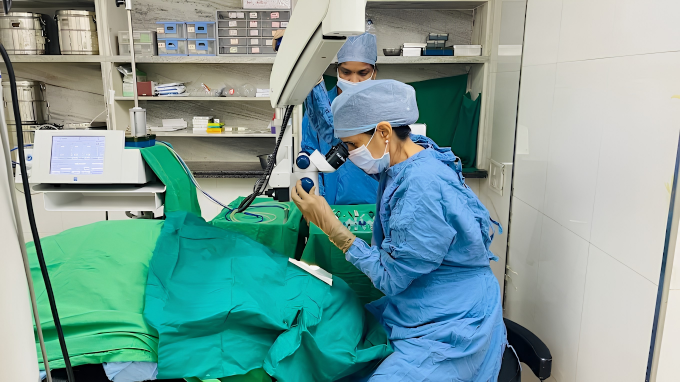
Dr. Chhabildas Sanghvi Eye Hospital and Medical Centre is a full-service eye hospital in Malad West, Mumbai. The hospital treats cataract, glaucoma, diabetic retinopathy, dry eye and refractive errors. Patients receive diagnosis, surgery and follow-up care under ophthalmologist Dr. Archana Sanghvi Gotecha at one Malad address.
Good vision shapes every ordinary moment, from reading a prescription to recognising a grandchild across the room. Dr. Chhabildas Sanghvi Eye Hospital and Medical Centre has cared for these moments in Malad West since 2005. The hospital sits on the junction of S.V. Road and Marve Road, next to Maniratna Jewellers, which makes it easy to reach from Malad West, Malad East, Goregaon, Kandivali and the wider western suburbs.
Families in Malad want one thing from an eye hospital. They want a clear answer, a safe procedure and a doctor who remembers them at the next visit. This page explains what the hospital treats, who treats it and how you can book a consultation close to home.
WE PROVIDE


OUR SERVICES
For a healthy eyesight, you need to ensure a regular eye check-up. Are you struggling to visit a eye clinic?
We offer following services at the comfort of your home.


Refractive Error Checkup
The purpose is to determine whether you have a refractive error (a need for glasses or contact lenses).
Frame Selection & Glasses made to order
Your frame should be equal or slightly wider than the broadest part your face.
Glaucoma evaluation
The diagnosis of glaucoma is usually made clinically and requires a comprehensive eye examination.
Cataract evaluation
Includes checking visual acuity, effects of glare on visual acuity, glasses prescription, eye pressure, and pupils (among other things) prior to dilation.
Awards Won
Happy Customers
Satisfaction
Years of experience

Dr Chhabildas Sanghvi Eye Hospital & Medical Center has been setup to ensure patients receive the most advanced treatment, our standard-setting eye surgeons and facilities combine to deliver you the most advanced and effective treatment for your specific eye condition with exceptional care and outcomes to thousands of delighted patients.

CLIENT TESTIMONIALS
Eye Hospital in Malad West, Mumbai
Dr. Chhabildas Sanghvi Eye Hospital and Medical Centre is a full-service eye hospital in Malad West, Mumbai. The hospital treats cataract, glaucoma, diabetic retinopathy, dry eye and refractive errors. Patients receive diagnosis, surgery and follow-up care under ophthalmologist Dr. Archana Sanghvi Gotecha at one Malad address.
Good vision shapes every ordinary moment, from reading a prescription to recognising a grandchild across the room. Dr. Chhabildas Sanghvi Eye Hospital and Medical Centre has cared for these moments in Malad West since 2005. The hospital sits on the junction of S.V. Road and Marve Road, next to Maniratna Jewellers, which makes it easy to reach from Malad West, Malad East, Goregaon, Kandivali and the wider western suburbs.
Families in Malad want one thing from an eye hospital. They want a clear answer, a safe procedure and a doctor who remembers them at the next visit. This page explains what the hospital treats, who treats it and how you can book a consultation close to home.
Regular eye examinations catch problems early, often before any symptom appears. The right interval depends on your age and your personal risk, and the hospital advises a schedule that suits you. The table below offers a general guide, which the surgeon may adjust based on your eye health.
| Group | Suggested Eye Check |
|---|---|
| Children | Before starting school, then as advised by the eye specialist. |
| Adults under 40 | Once every two years if vision is stable and there are no risk factors. |
| Adults over 40 | Once a year, since the risk of glaucoma and cataract rises with age. |
| Diabetic patients | A dilated retina check at least once a year, regardless of age. |
Anyone who notices a change in vision should book a check without waiting for the next routine appointment. Early attention almost always means simpler treatment and a better result.
Choosing an eye hospital is an important decision, and a few qualities matter most. Look for an experienced surgeon, a full range of services under one roof, honest counselling and a convenient location for follow-up. A hospital that offers all of these makes long-term eye care far easier, especially for conditions that need regular monitoring such as glaucoma and diabetic retinopathy.
Continuity is just as important as facilities. A hospital where the same surgeon sees you at each visit builds a record of your eye health over time, which leads to better decisions. This is the quiet advantage of a long-established neighbourhood hospital over a large centre where you may see a different doctor each time.
An eye condition rarely waits for a convenient day. A neighbourhood eye hospital shortens the gap between a symptom and a diagnosis, and that gap often decides how much vision you keep. Distance matters most for older patients, for diabetic patients who need frequent retina checks and for parents managing a child with a squint or weak eyesight.
Early treatment protects sight. The National Programme for Control of Blindness attributes close to two-thirds of avoidable blindness in India to untreated cataract, a condition that surgery corrects in under one hour.
Choosing a local hospital in Malad West gives you three practical advantages. You reach the hospital faster during an emergency, you attend follow-up visits without losing a full day and you build a record with one doctor who tracks your eye health over years rather than a single appointment.
- Proximity: A short trip from Malad West, Malad East, Goregaon and Kandivali.
- Continuity: One ophthalmologist who knows your history and your eyes.
- Convenience: Easier follow-up after cataract surgery, LASIK or glaucoma treatment.
The hospital covers the full range of common and complex eye conditions under one roof. Each service links to a detailed page that explains the condition, the treatment and what recovery looks like.
Cataract clouds the natural lens and blurs vision gradually. The hospital performs modern small-incision cataract surgery with lens implants. Read more about cataract surgery in Malad West and the lens options available.
Glaucoma damages the optic nerve, often silently, by raising pressure inside the eye. The hospital screens, monitors and manages glaucoma to protect your remaining sight.
Diabetes can damage the tiny blood vessels of the retina. Regular retina screening at the hospital catches this damage before it threatens vision.
Spectacle dependence frustrates many adults in Mumbai. The hospital assesses suitability for LASIK and other refractive treatments that reduce or remove the need for glasses.
The hospital also manages dry eye disease, eyelid and tear-duct surgery (oculoplasty), children's eye problems and contact lens fitting. Every service is delivered at the same Malad West address.
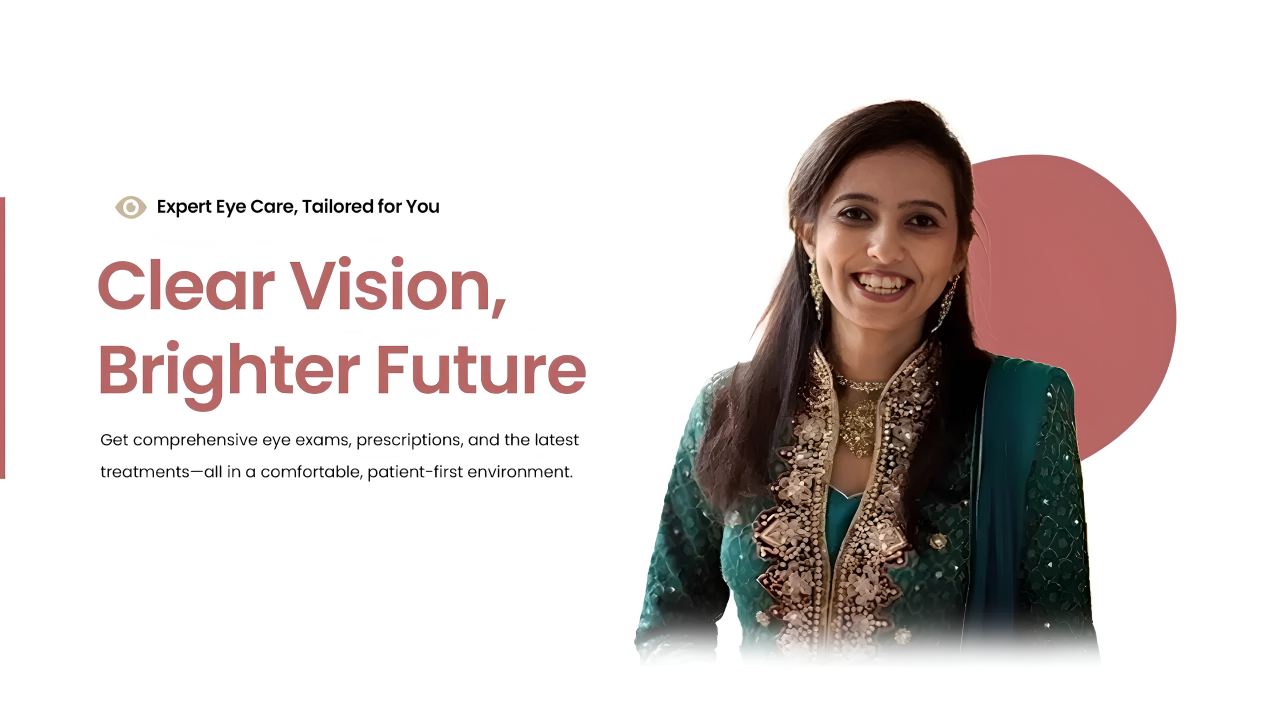
Care at the hospital is led by Dr. Archana Sanghvi Gotecha, an ophthalmologist and eye surgeon with more than 22 years of experience and over 14 years as a specialist. She qualified MBBS from MGM Institute of Health Science, completed DOMS and DNB in Ophthalmology and is registered with the Maharashtra Medical Council. Learn more on the dedicated page for the eye specialist in Malad, Dr. Archana Sanghvi Gotecha.
Yes. The hospital runs a home care service for eye check-ups in Malad. The home visit covers refractive error testing, frame and spectacle fitting, glaucoma evaluation and cataract assessment. This service helps elderly patients and anyone who finds it hard to travel to a clinic.
Booking takes a minute. You can call the hospital, send a WhatsApp message or use the online form. The hospital confirms a slot that suits your day and shares directions to the Malad West address.
- Call the hospital on the listed Malad numbers during working hours.
- Send a WhatsApp message for a quick query or a callback.
- Use the contact and appointment page to request a slot online.
For general eye health guidance you can also refer to the World Health Organization resource on eye care, which explains why routine eye examinations matter at every age.
Knowing what to expect makes a first visit far less stressful. A consultation at the hospital follows a clear sequence, and the team explains each step as it happens. The aim is an accurate diagnosis and a plan you understand before you leave.
- Registration and history: The team records your details and asks about your symptoms, past eye problems and general health, including diabetes and blood pressure.
- Vision testing: Your visual acuity is measured for each eye, with and without your current glasses.
- Refraction: If you need glasses or a power change, the correct prescription is worked out.
- Eye examination: The surgeon examines the front and back of the eye, checking the lens, the retina and the optic nerve.
- Diagnosis and plan: The surgeon explains the findings in plain language and discusses the options, the likely cost and the next steps.
If a test requires dilating drops, your near vision may stay blurred for a few hours, so it helps to bring sunglasses and avoid driving immediately afterwards. Carrying your old prescriptions and a list of medicines speeds up the visit.
Different stages of life bring different eye needs, and the hospital cares for patients across every age group at the same Malad West address. Understanding the common concerns at each stage helps families plan timely checks.
Childhood is the window for treating squint and lazy eye, and school-age children often need glasses for short sight. A first eye check before school catches problems that a child cannot describe. Read more about paediatric eye care in Malad.
Long screen hours make dry eye and eye strain common among working adults in Mumbai. This is also the age when many people consider LASIK to reduce dependence on glasses, and when the first signs of glaucoma can appear.
After the age of 50, cataract, glaucoma and macular degeneration become more common. Regular checks protect independence, since most of these conditions are treatable when caught early. Diabetic patients of every age need yearly retina screening.
Trust in healthcare is earned through consistency. Patients return to the hospital because the experience does not change from one visit to the next. The same surgeon reviews their case, the records carry forward and the advice stays honest. This continuity matters most for conditions that need long-term monitoring, such as glaucoma and diabetic retinopathy.
A neighbourhood hospital also reduces the small frictions that cause people to skip care. A short trip means an elderly patient is more likely to attend a follow-up, a working adult can fit a check into a lunch break and a parent can bring a child without taking a full day off. These practical advantages add up to better eye health over the years.
Good habits support the work done at the hospital. Simple daily steps reduce the risk of many common eye problems.
- Take regular screen breaks using the 20-20-20 rule to ease digital eye strain.
- Control blood sugar and blood pressure, since both affect the eyes directly.
- Wear sunglasses outdoors to protect the eyes from strong sunlight.
- Eat green leafy vegetables and fruits that support retinal health.
- Never ignore sudden changes in vision, and book a check without delay.
These habits do not replace a professional examination, but they lower the risk of avoidable damage between visits.
A smooth visit starts with a little preparation. Bringing the right items helps the surgeon assess your eyes accurately and saves time on the day.
- Your current glasses or contact lenses.
- Any previous eye prescriptions, reports or scans.
- A list of your medicines, especially for diabetes and blood pressure.
- Details of any past eye surgery or eye injury.
If your visit may involve dilating drops, it helps to bring sunglasses and to avoid driving immediately afterwards, since near vision can stay blurred for a few hours.
Some eye symptoms need prompt attention rather than a routine appointment. Contact the hospital quickly if you notice any of the following.
- Sudden loss of vision in one or both eyes.
- Sudden severe eye pain, often with redness or headache.
- A curtain or shadow moving across your vision.
- A sudden shower of floaters or flashes of light.
- An eye injury or a chemical splash to the eye.
The hospital address is 103/104, 1st Floor, Girnar Apartments, junction of S.V. Road and Marve Road, next to Maniratna Jewellers, Malad West, Mumbai 400064. The location is a short distance from Malad railway station and is served by buses and autos from across the western suburbs. The clear landmark of Maniratna Jewellers makes the building easy to find on a first visit.
The hospital serves patients from Malad West, Malad East, Goregaon, Kandivali and the wider western suburbs of Mumbai. Whether you arrive by train, bus, auto or car, the central junction location keeps the journey short.
Q1. Which is a good eye hospital in Malad West, Mumbai?
Dr. Chhabildas Sanghvi Eye Hospital and Medical Centre is a long-established eye hospital in Malad West. It offers cataract surgery, glaucoma care, diabetic retinopathy screening, LASIK and dry eye treatment under one ophthalmologist, Dr. Archana Sanghvi Gotecha, at a single Malad address.
Q2. What are the timings of the eye hospital in Malad?
The hospital operates on regular clinic hours through the week. The exact daily timings and any holiday changes are confirmed when you call or message the hospital, so it is best to fix a slot before you travel.
Q3. Does the eye hospital in Malad offer home eye check-ups?
Yes. The hospital provides a home care service in Malad that covers refractive testing, spectacle fitting, glaucoma evaluation and cataract assessment. This service is useful for elderly patients and people who cannot easily reach a clinic.
Q4. How do I reach the eye hospital from Malad railway station?
The hospital is located at the junction of S.V. Road and Marve Road in Malad West, a short ride from Malad station. Autos, taxis and buses serve the route, and the building sits next to Maniratna Jewellers, which is an easy landmark.
Q5. Do I need an appointment to visit the eye hospital in Malad?
An appointment is recommended so the hospital can reserve consultation time and reduce your waiting. You can book by phone, by WhatsApp or through the online contact form on the website.
CONTACT US
Get in Touch!

